
Contact Us


The Ultimate Guide to Mobile Gantry Cranes: Types, Applications, and Global Market Insights
The Ultimate Guide to Mobile Gantry Cranes: Types, Applications, and Global Market Insights
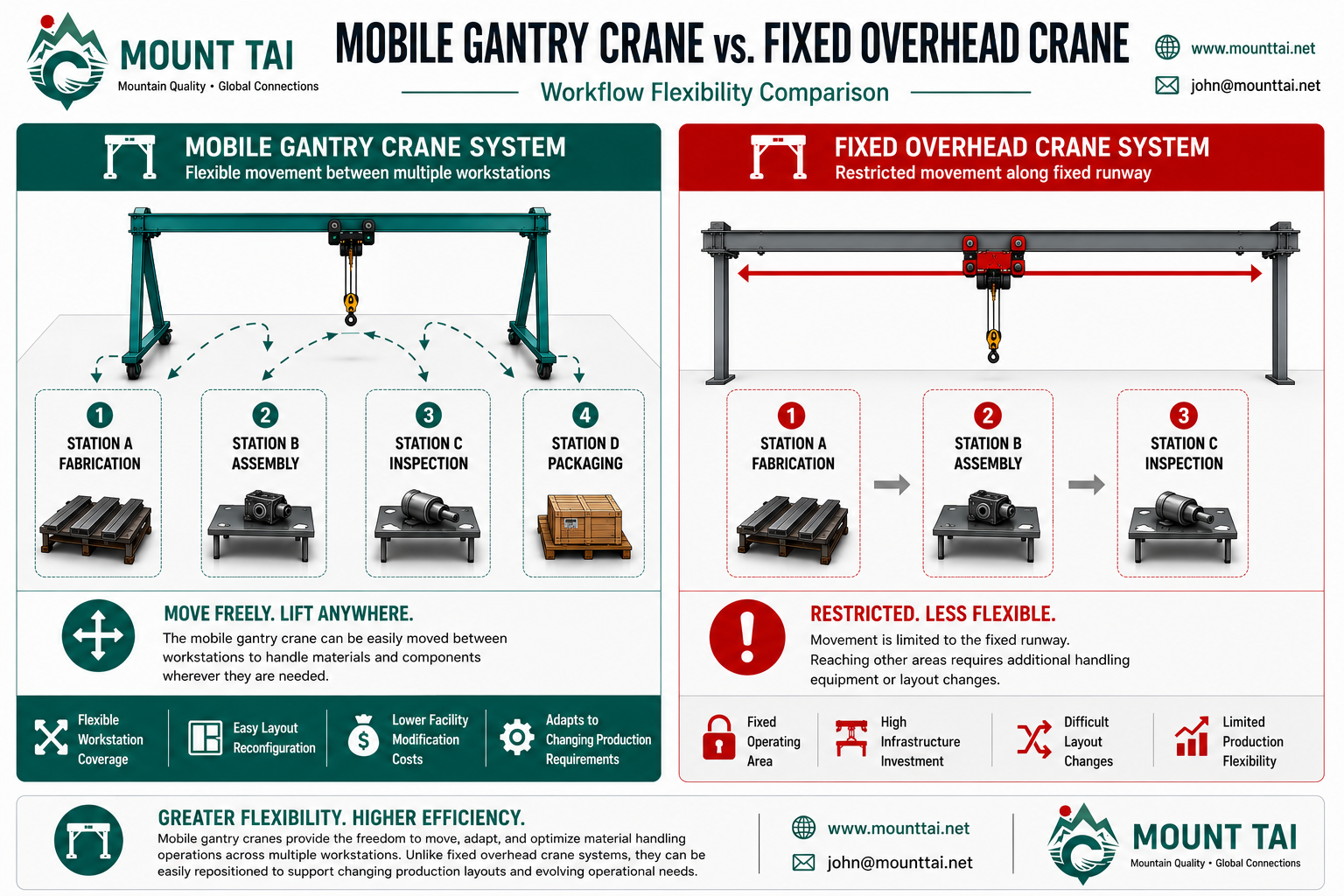
In modern industrial manufacturing, logistics, and heavy material handling, efficiency directly dictates profitability. While massive, fixed overhead cranes are traditional mainstays, they demand intense structural engineering, permanent space commitments, and high capital expenditure (CapEx).
Enter the Mobile Gantry Crane—a self-supporting, high-efficiency lifting powerhouse that moves on wheels rather than fixed structural columns. As global industries lean toward lean manufacturing and dynamic factory layouts, mobile gantry cranes have evolved into an indispensable asset. This comprehensive guide breaks down actual market data, common types, industrial applications, and ROI metrics to help you make an informed procurement decision.
1. Core Functions: What Makes a Gantry Crane "Mobile"?
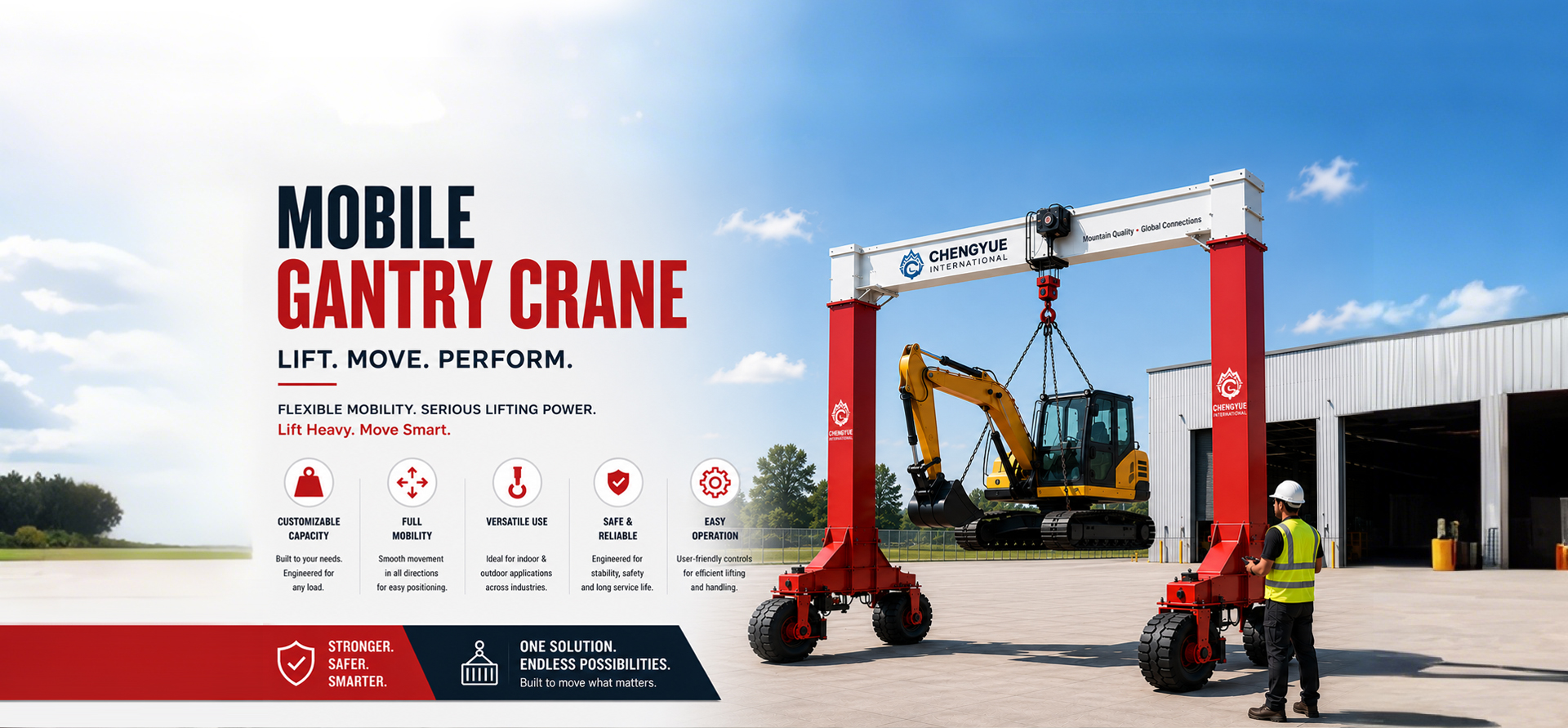
Unlike traditional overhead bridge cranes that rely on a building's pillars to support a runway track, a mobile gantry crane utilizes an independent, self-contained frame supported by wheels. These wheels can be polyurethane casters for indoor concrete workshops, or heavy-duty rubber tires designed for rugged, outdoor yard terrain.
The true value of mobility lies in flexibility. Instead of bringing your heavy workpieces to a single, fixed lifting zone, a mobile gantry crane brings the lifting mechanism directly to the workpiece. This eliminates layout bottlenecks, maximizes horizontal workshop space, and streamlines operations across various industrial sectors.
2. Common Types of Mobile Gantry Cranes
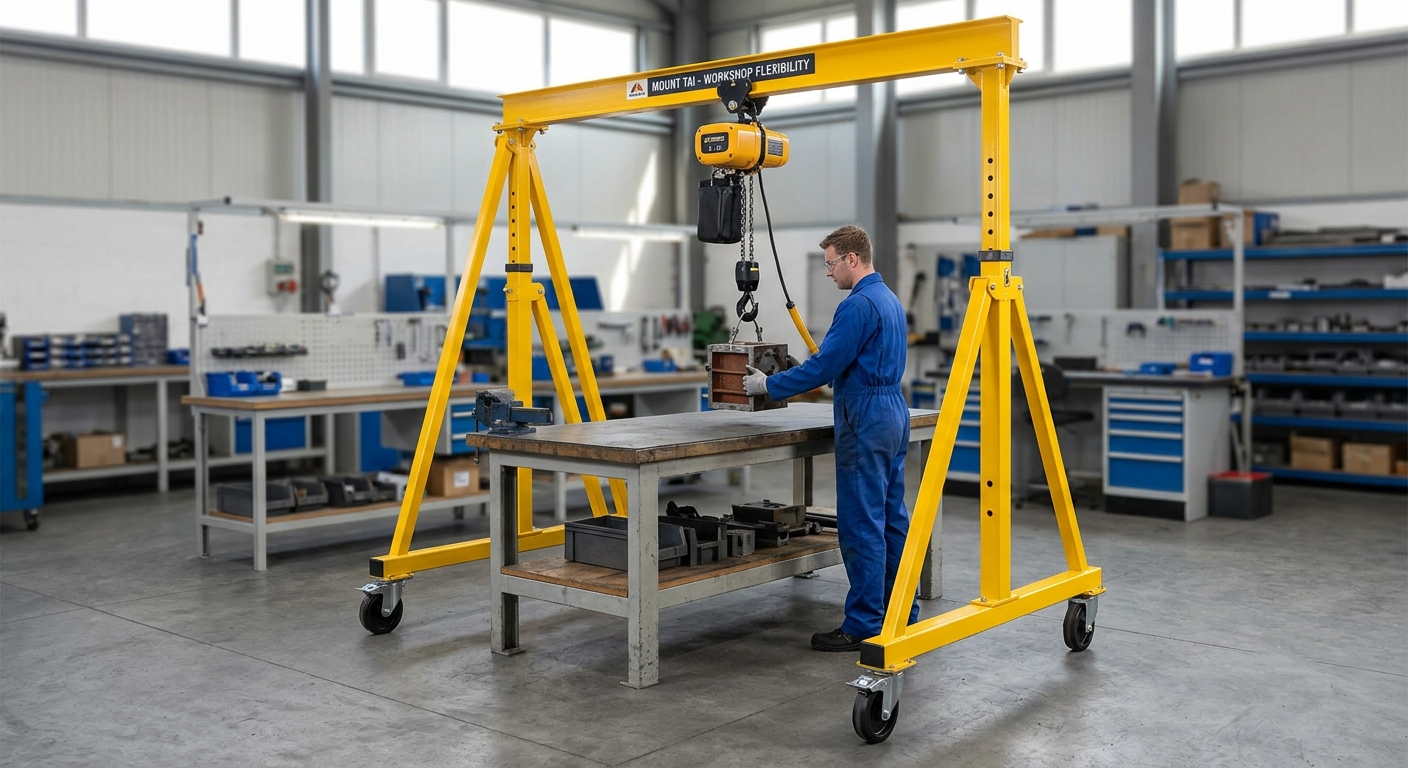
A. Portable Mobile Gantry Cranes (Light to Medium Duty)
• Capacity Range: 0.5 Tons to 10 Tons
• Mobility: Polyurethane or nylon swivel casters.
• Key Features: Typically available in adjustable height and span configurations.
• Best Used For: Automotive workshops, HVAC maintenance, tool & die adjustments.
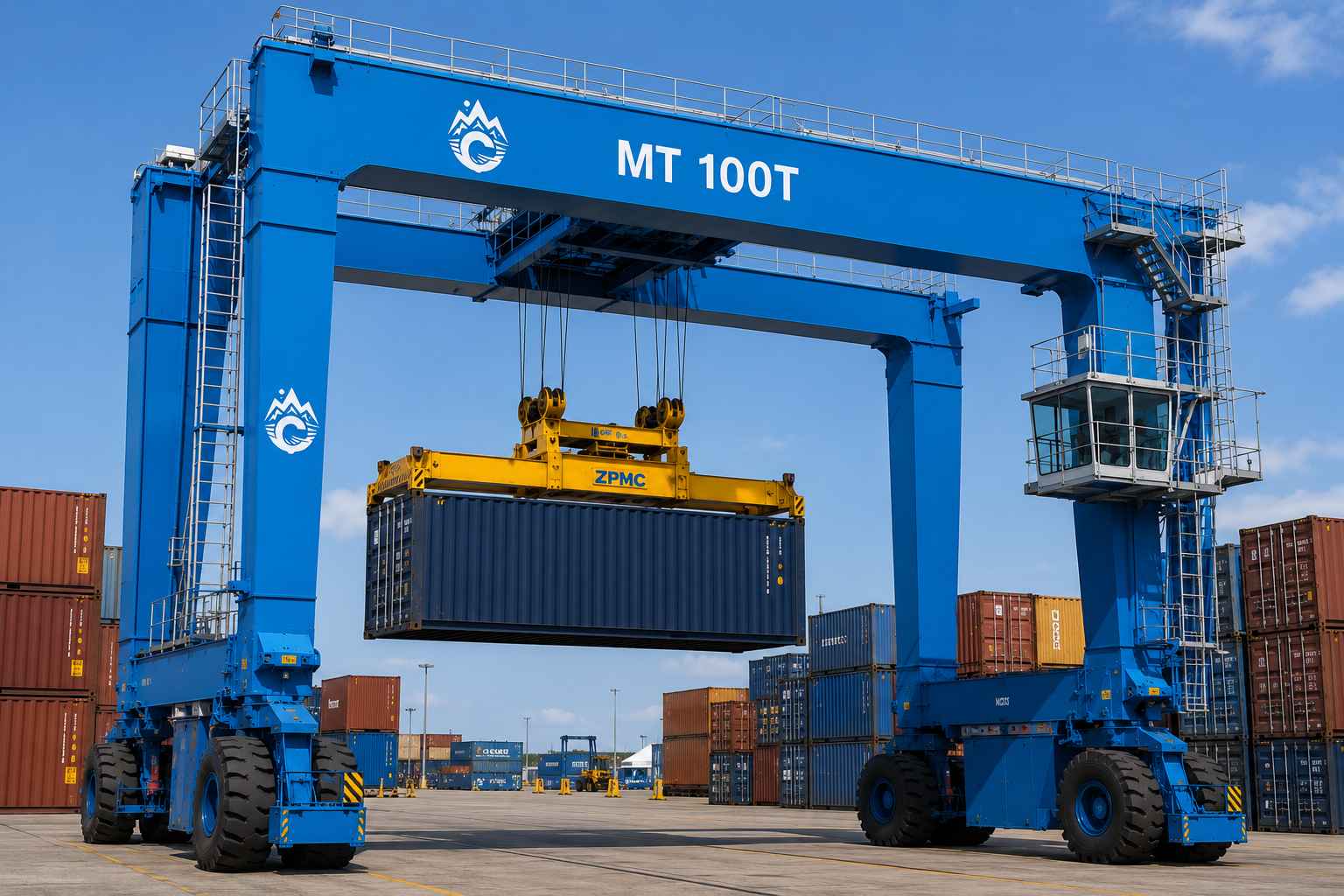
B. Heavy Industrial Rubber-Tyred Gantry (RTG) Cranes
• Capacity Range: 10 Tons to 100+ Tons
• Mobility: Multi-directional, heavy-duty rubber tires.
• Key Features: Features structural steel gantries capable of spanning wide work zones or container stacks.
• Best Used For: Precast concrete yards, structural steel fabricators, shipyard maintenance.
C. Track-Guided Semi-Gantry & Full Gantry Cranes
• Capacity Range: 5 Tons to 50 Tons
• Mobility: Moves along surface-embedded floor rails or steel tracks.
• Key Features: Combines the structural independence of a gantry crane with the precision straight-line tracking.
• Best Used For: Outdoor manufacturing bays, heavy machinery fabrication.
3. Industrial Usages and Practical Applications
Industrial Sector | Core Usage / Application | Key Benefit |
Heavy Manufacturing | Moving heavy structural plates and sub-assemblies. | Minimizes reliance on multiple forklifts. |
Precast Concrete | Lifting, curing, and stacking large concrete beams. | Weather-resistant, high-capacity outdoor handling. |
Maintenance & Repair | Pulling heavy industrial engines and pumps. | High-precision positioning for sensitive work. |
Warehousing | Managing dense, non-standard layouts and heavy freight. | Integrates with flexible storage profiles. |
4. Cost-Effectiveness & ROI
• Lower Initial Infrastructure Expense (CapEx): Bypasses factory reinforcing, cutting setup up to 70%.
• Asset Mobility: Can be packed into a container and moved if layouts change.
• Efficiency: localized station cranes cut worker wait downtime by ~35%.
5. Global Market Data & Geographic Distribution
• Market Growth: Projecting steady CAGR of 4.5% to 5.2% over the decade.
• Central Asia & Eastern Europe: Infrastructure growth in Kazakhstan, Uzbekistan, and Azerbaijan requires flexible cargo handling.
• Southeast Asia: Dynamic assembly layouts in Malaysia, Vietnam, and Indonesia driving asset mobility.
Partner with Taian Chengyue International for Smart Lifting Solutions
At Taian Chengyue International Trading Co., Ltd. , we specialize in high-performance material handling equipment engineered for long-term, sustainable industrial efficiency.
Explore our complete product catalog at www.mounttai.net or contact our team directly at john@mounttai.net.
CONTACT US